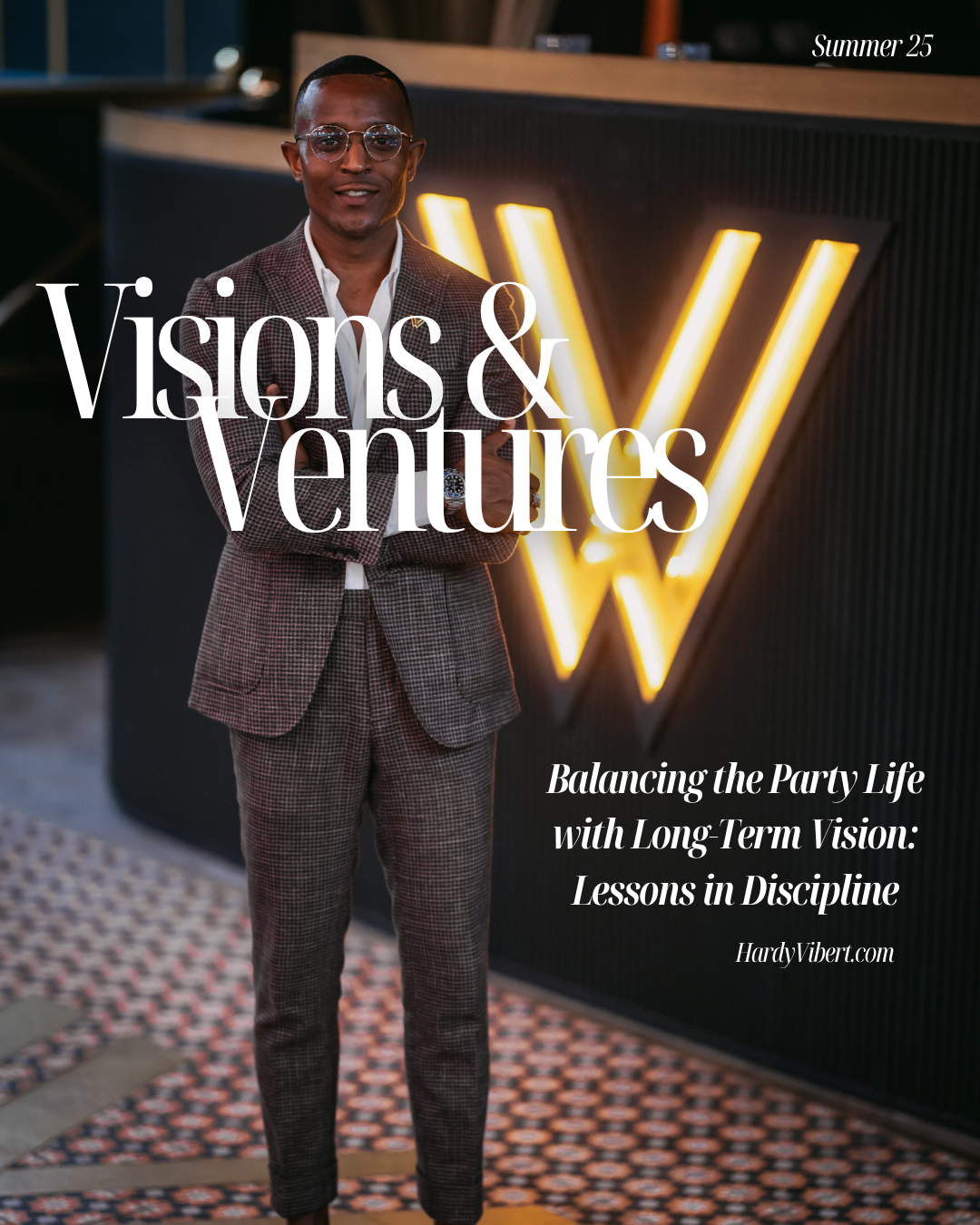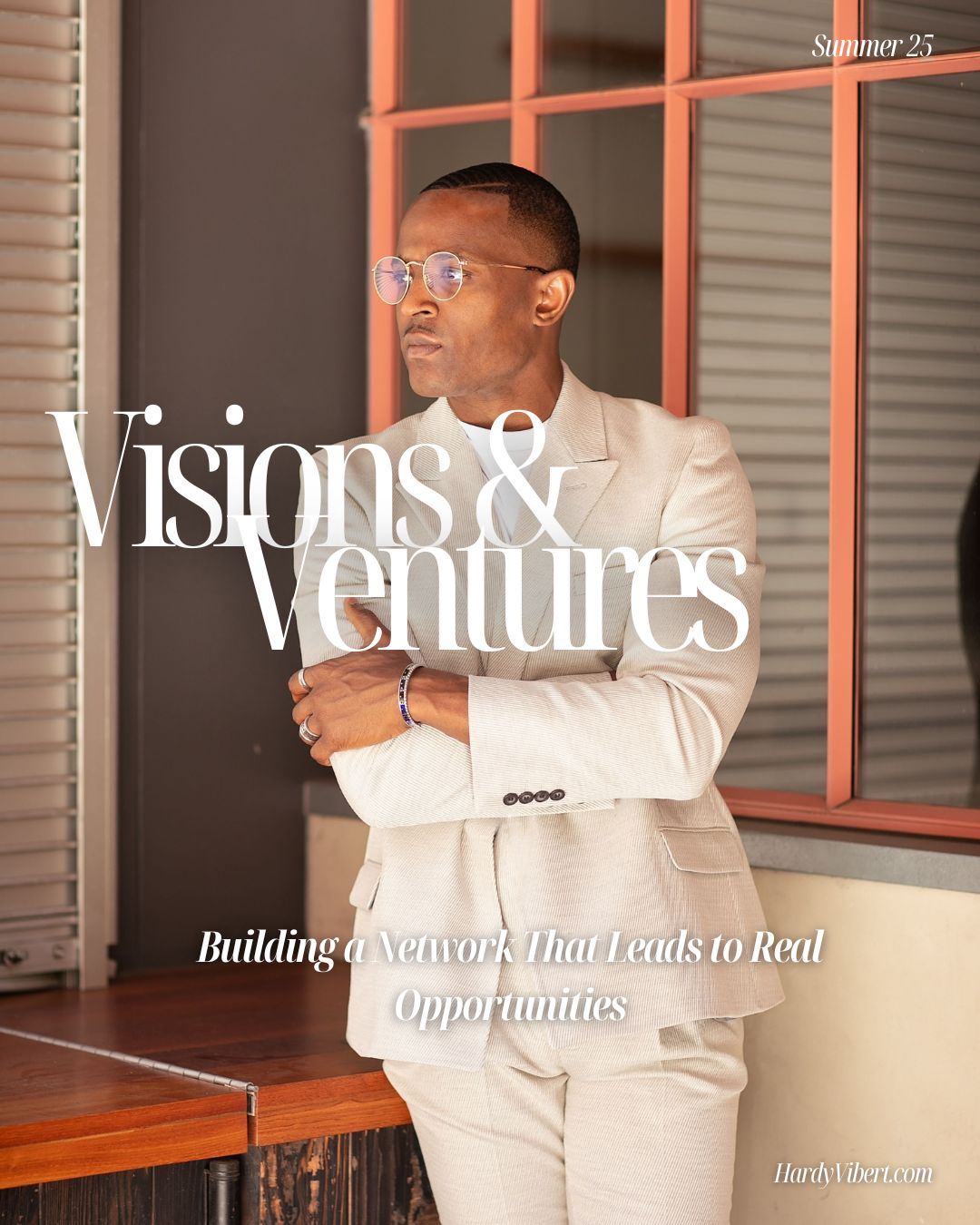




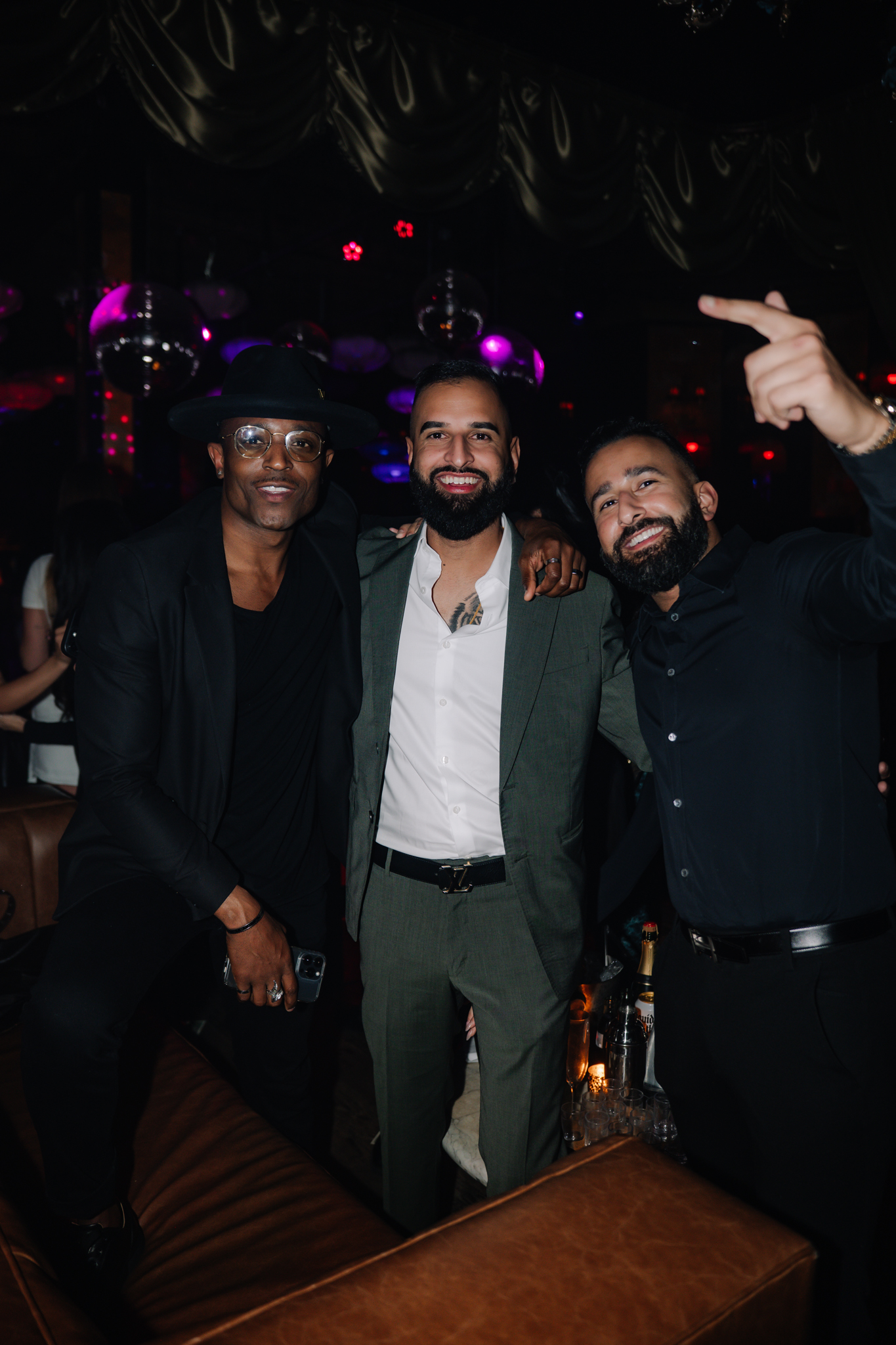

7 Surprising Skills I Learned as a VIP Host in Los Angeles Nightclubs

Hey entrepreneurs and nightlife insiders, I’ve seen firsthand how the nightlife world teaches lessons that go far beyond the club floor. What started as hospitality work quickly became a crash course in business, people management, and high-stakes decision-making, lessons that paved the way for my move into real estate investing with Vibe Investment.

Navigating crowded rooms, unpredictable nights, and intense interactions sharpened my skills in negotiation, psychology, and resilience, abilities that have been game-changers in the real estate world over the last six years. In this post, I’m breaking down seven unconventional lessons from the nightlife scene that still influence how I run my business today, no generic advice, just real-world insights from the front lines

1. Mastering Situational Awareness (Anticipating Issues Before They Arise)

In a bustling nightclub at peak hours, the atmosphere can shift rapidly. As a VIP host, I developed the ability to assess a room quickly: identifying subtle signs of dissatisfaction, potential conflicts, or shifting group dynamics. This heightened awareness allowed me to intervene proactively, perhaps relocating a guest for comfort or adjusting the vibe to retain energy. In nightlife, it prevented escalations; in real estate, it helps me read client cues during negotiations. To develop it, observe non-verbal signals in everyday settings, it becomes an invaluable asset for decision-making.

2. Effective Up selling Techniques (Turning Challenges into Opportunities)

Guests investing significantly in VIP experiences often have high expectations. Early in my career, I struggled with complaints, but I learned to reframe them constructively: suggesting enhancements that elevated their night while adding value.

A perfect example a group drops $3K on a prime table, but halfway through, the birthday girl in the crew sighs and says, “This is fun, but it’s missing that wow factor, our usual spot in Vegas has more bottle sparklers.” Instead of apologizing or defending, I leaned in with a grin: “Sparklers, huh? Let’s make tonight even better? Let’s add that signature bottle with a bottle sign & I’ll throw in a quick DJ shoutout just for her. Boom, Vegas who?” They bit, spent another $1K, and left raving about the “best surprise upgrade ever.” No hard sell, just turning her gripe into their highlight.

This refined negotiation skill is central to entrepreneurship. The key is personalization, positioning options as benefits tailored to their needs, which naturally improves results.

3. Cultivating a Network of Reciprocal Relationships

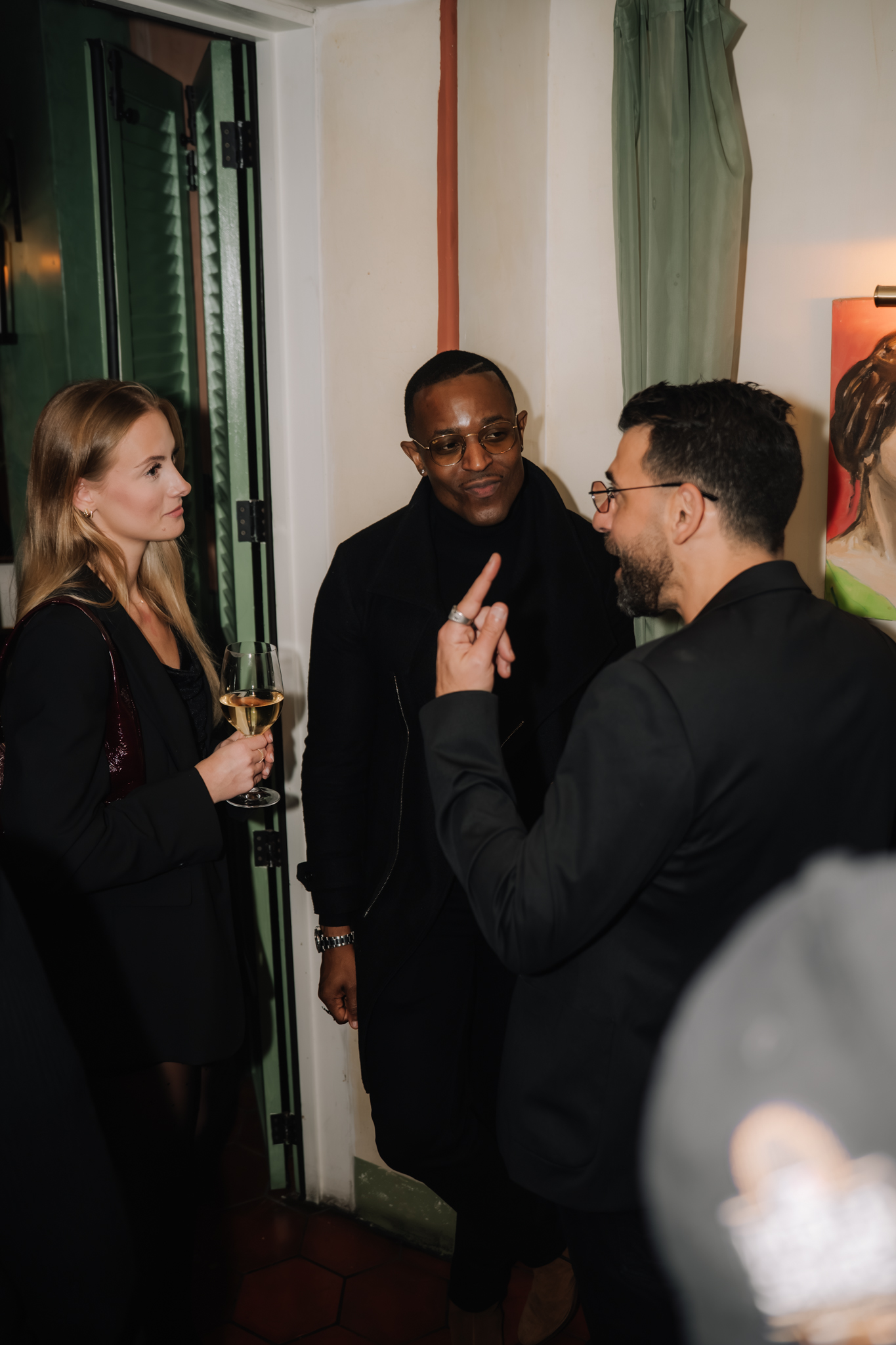
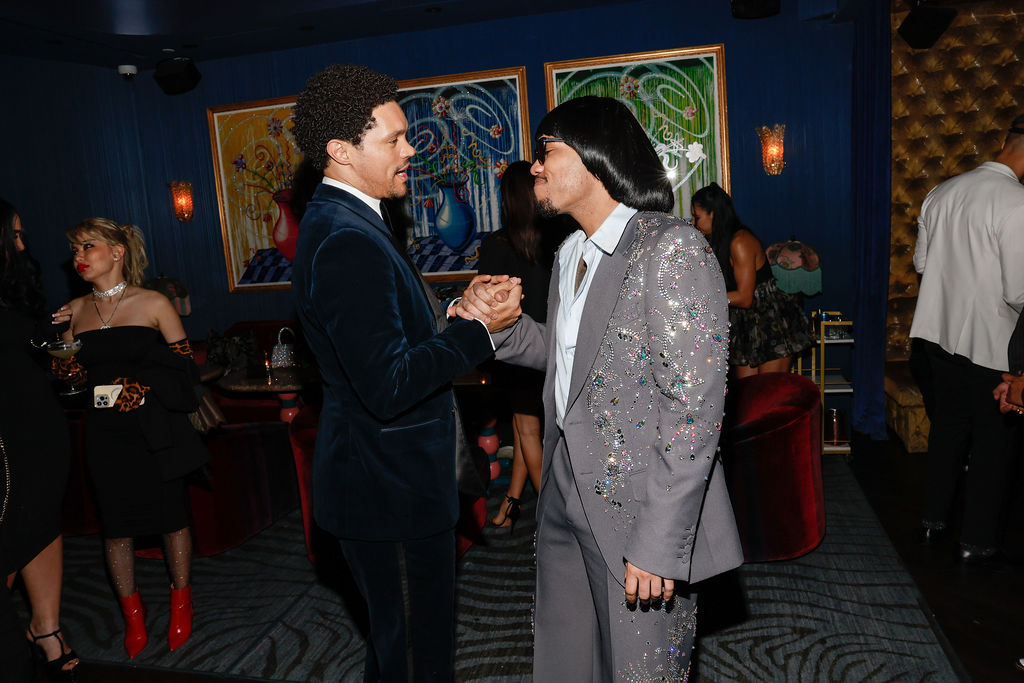
In Los Angeles nightlife, success depends on mutual support: facilitating access for one contact in exchange for future opportunities, such as guest lists or industry insights. These exchanges build a foundation of trust and goodwill.

This principle has directly translated to off-market real estate opportunities in markets like St Louis. The insight? Genuine favors create long-term value. Offer assistance freely when possible; it compounds over time through reliable connections.

4. Resilience in Recovery (Bouncing Back from Setbacks)

Slow nights, due to weather, no-shows, or unforeseen issues, were inevitable. My approach was to analyze quickly, adapt the team’s strategy, and maintain momentum, often transforming the evening into something memorable.
This resilience has been crucial during real estate hurdles, from market downturns to complex transactions. The process: Conduct a brief review of what occurred, identify one adjustment, and move forward. Setbacks become stepping stones with this mindset.

5. Advanced Conflict Resolution (Navigating High-Ego Environments)

Managing VIP areas meant diffusing tensions among influential guests efficiently, acknowledging concerns, validating feelings, and redirecting focus positively.
In business, this applies to resolving disputes with partners or clients. Most conflicts stem from unmet expectations; addressing them empathetically and collaboratively leads to stronger outcomes.

6. The Impact of Small Gestures (Fostering Lasting Loyalty)

Amid the fast pace of service, details like recalling a returning guest’s preferences or ensuring their safety post-event stood out, building repeat business and referrals.
These “micro-moments” are scalable when intentional. In real estate, thoughtful follow-ups generate ongoing referrals. Loyalty is built through consistent, genuine attention to detail.

7. Strategic Discernment (Knowing When to Disengage)

Not every opportunity or guest aligns with long-term goals. I learned to gracefully redirect resources away from draining situations to preserve the overall experience and revenue in better areas.
In entrepreneurship, this means declining mismatched deals or partnerships. Prioritizing quality over quantity opens doors to more rewarding prospects.
These seven skills represent just a fraction of the lessons from my time in LA’s nightlife industry, which laid the groundwork for PHH Hospitality and Vibe Invest. The club scene provided a rigorous education in human dynamics and business acumen.

What unexpected skills have you gained from your professional experiences? Share in the comments

I value your insights and often feature them.
If you’re interested in nightlife consulting, real estate strategies, or collaboration, visit my services page or connect on Instagram @hardy_Hollywood 

➡️ Want to stay connected? Follow my journey as I continue to build, create, and inspire.

Scroll to Top